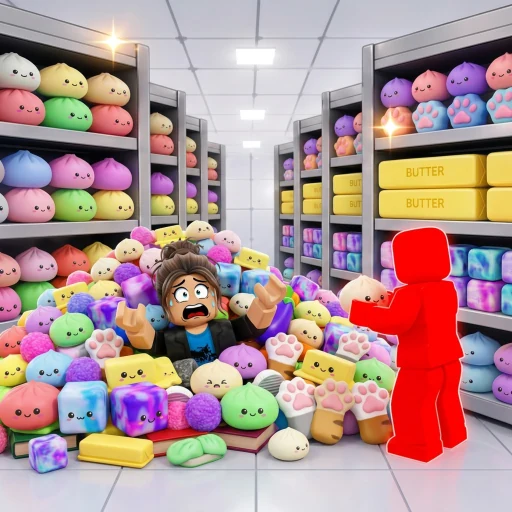
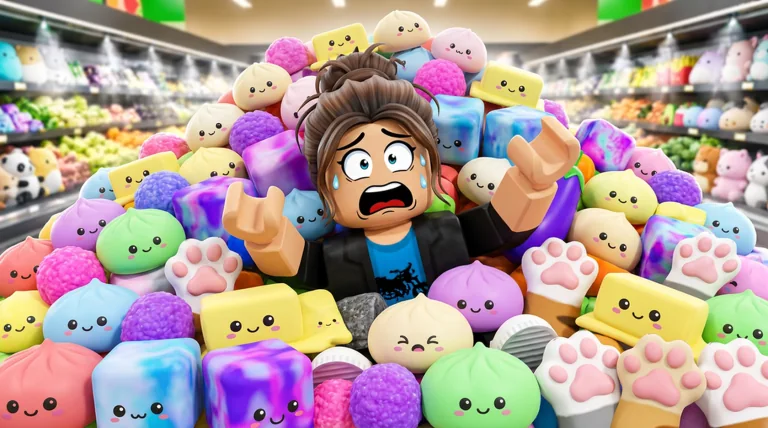
Start with the repeated problem
The official experience confirms that upgrades help make cleanup easier, but it does not publish a stable public table of prices, levels, or effects. The in-game upgrade screen should therefore be your source for exact values.
Community walkthrough coverage identifies Hold Capacity, Walk Speed, and Pickup Distance as visible upgrade areas. Use those labels as a planning framework: carrying fixes return trips, speed fixes long crossings, and pickup distance can reduce positioning friction.
A simple decision order
Run one short shelf-to-shelf route first. If you constantly return to unload, capacity is the bottleneck. If each correct shelf is far away, movement may matter more. If your route repeatedly breaks while trying to reach objects, test the pickup option.
Avoid treating a community recommendation as a universal best buy. A clean route is personal: a fast player with poor carrying capacity has a different constraint from a player who loses time navigating a crowded aisle.
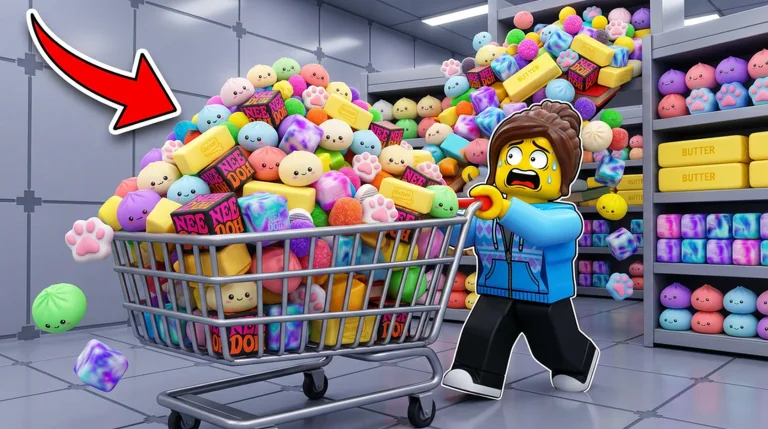
Recheck after an update
Prices, upgrade names, and balance can change without a detailed public patch note. After buying an upgrade, repeat the same route once and keep it only if the intended slowdown actually disappears. This keeps your decisions grounded in the current experience rather than an old screenshot.
Keep a simple before-and-after note for one route: where you begin, how many shelf trips you make, and the moment where you usually stop to turn around. You do not need a perfect timer to learn from it. If a capacity improvement removes a repeat trip, that is a direct benefit. If added movement does not change the part of the run that feels slow, try solving the more local pickup or sorting problem instead.
Upgrades should support a routine, not replace it. Carrying too many different squishies can still create confusion, even if the capacity number is larger. Likewise, moving faster can make a wrong shelf decision happen sooner. Build a predictable one-category or one-shelf habit first, then use the menu to improve the constraint you keep encountering.